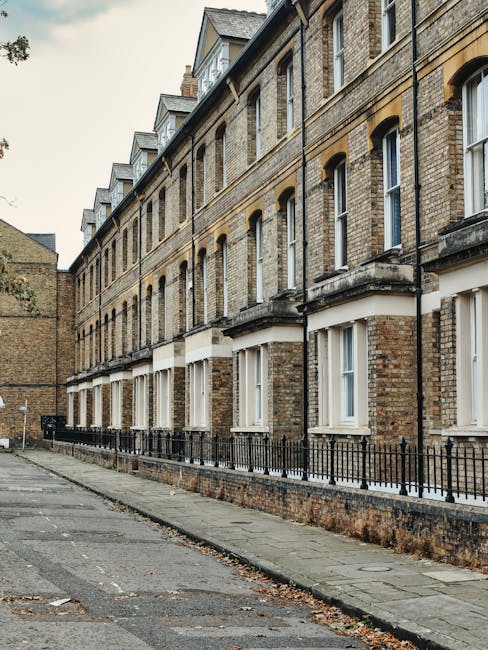
Catford Bridge domestic cleaning tips for terraced homes
If you live in a terraced house near Catford Bridge, you already know the pattern: narrow hallway, compact rooms, a staircase that seems to collect dust for sport, and front-to-back living that makes mess spread faster than you'd like. The right Catford Bridge domestic cleaning tips for terraced homes can make all the difference, especially if you want a cleaner home without turning every weekend into a full-blown marathon. This guide gives you practical, UK-friendly advice for cleaning smarter, protecting finishes, and keeping high-traffic areas under control in a real terraced property.
We'll look at what makes terraced homes tricky, how to clean them efficiently, where people often go wrong, and when it makes sense to bring in support such as domestic cleaning or a deeper reset through deep cleaning. It's all written for actual day-to-day living, not showroom perfection.
One small truth before we start: terraced homes are not hard to keep clean, but they do reward a plan. Without one, the dust wins. Every time.
Table of Contents
- Why Catford Bridge domestic cleaning tips for terraced homes matters
- How Catford Bridge domestic cleaning tips for terraced homes works
- Key benefits and practical advantages
- Who this is for and when it makes sense
- Step-by-step guidance
- Expert tips for better results
- Common mistakes to avoid
- Tools, resources and recommendations
- Law, compliance, standards, or best practice
- Options, methods, or comparison table
- Case study or real-world example
- Practical checklist
- Conclusion
- Frequently asked questions
Why Catford Bridge domestic cleaning tips for terraced homes matters
Terraced homes have a lovely practicality about them, but they also bring a few cleaning quirks. Rooms often run in a straight line, storage is tight, and shared walls can mean you hear life going on all day long. That usually translates into more visible wear in the places you touch most: handles, bannisters, switches, skirting boards, door frames, and the first stretch of carpet or floor by the entrance.
Another thing people notice in terraced properties is that dirt moves. Shoes bring in grit, the hallway catches it, the stairs carry it, and suddenly the landing looks tired even though you only deep-cleaned the kitchen last month. The answer is not more scrubbing. It's better sequencing, better tools, and a routine that fits the house rather than fighting it.
For many households, this is also about preservation. Terraced homes often combine older features with modern fittings. Painted woodwork, original tiles, timber floors, narrow windows, and fitted carpets all need different care. Get the method wrong and you end up rubbing grime around, dulling the finish, or forcing moisture into places it should not go.
Expert takeaway: in a terraced home, cleaning works best when you focus on movement patterns first. Clean the routes people use most, then move outward to the quieter rooms. That one change saves time and keeps the house looking cleaner for longer.
If you are trying to build a sensible routine, pairing regular upkeep with regular cleaning is often more effective than waiting for a big seasonal overhaul. It sounds obvious, but honestly, many homes only feel manageable once the routine becomes automatic.
How Catford Bridge domestic cleaning tips for terraced homes works
Think of terraced-home cleaning as a zoning exercise. Instead of treating the whole house as one giant task, you divide it into high-impact zones and work in the right order. The order matters more than people think.
A good terraced-home clean usually starts upstairs or in the furthest room, then moves down through the house toward the exit. That way, dust, crumbs, and loose debris are removed as you go instead of getting tracked back into cleaned areas. It's a simple idea, but it stops the classic "I cleaned the floor and immediately walked over it three times" problem.
In practical terms, the process often looks like this:
- Declutter surfaces so dusting and wiping are actually possible.
- Dry-clean first: vacuum, sweep, dust, and brush debris into the open.
- Move to contact points: handles, switches, rails, and frames.
- Then do damp cleaning for kitchens, bathrooms, and hard surfaces.
- Finish with floors so you are not re-soiling them.
That sequence matters even more in narrower houses because dust has fewer places to settle. You will notice the difference on the stairs, the landing, and around radiators. It's those in-between spaces that make a terraced home feel either crisp or a bit, well, lived-in in a way nobody asked for.
Where carpets are worn or stained in these tighter layouts, carpet cleaning or steam carpet cleaning can make a big visual difference. If the house has mixed flooring, hard floor cleaning is worth considering for hallway tiles, wood, or laminate that picks up grit fast.
Key benefits and practical advantages
The biggest benefit is straightforward: a clean terraced home feels larger, brighter, and easier to live in. That is not marketing fluff. In a compact property, clutter and dust have a way of making every room feel smaller than it is. A consistent cleaning approach gives you breathing room.
- Better air feel: dust control matters, especially in narrow hallways and older properties where air does not always circulate evenly.
- Less visible wear: surfaces last longer when grit and residue are removed regularly.
- Faster weekly cleans: once the right spots are maintained, maintenance gets much easier.
- Better guest impression: useful if you have visitors, lodgers, or occasional short lets.
- Reduced stress: a tidy terraced home is easier to manage when every room serves multiple purposes.
There is also a practical money angle. If you keep on top of stains, grease, and grime, you are less likely to need emergency fixes or heavy restorative work. A little attention in the hallway can save a lot of effort later on the carpet, skirting, or paintwork. That's especially true near the front door where everyday dirt tends to gather without being noticed.
And yes, the home simply feels nicer. You hear the kettle, open the curtains, and the room looks calm rather than chaotic. That counts.
Who this is for and when it makes sense
This guidance suits a wide range of households, but it is particularly helpful if you live in a terraced property near Catford Bridge and recognise any of these situations:
- You have a busy family home where the hallway is the main traffic route.
- You are renting and want to stay ahead of deposit issues or inspection stress.
- You work long hours and need a routine that does not eat your whole Saturday.
- You have pets that bring in hair, mud, and the odd mystery smell.
- You are preparing for guests, a move, or a property viewing.
- You are trying to maintain older features without damaging them.
It also makes sense if your property has been left a little behind by life. Happens to everyone. One week the place is fine, the next week the stairs need attention, the oven looks at you funny, and the front room has somehow accumulated three mugs, two receipts, and a charging cable that nobody claims.
For more intensive resets, a one-off visit through one-off cleaning can be a sensible option when routine cleaning has slipped. If you are moving home, the relevant route may be move-in cleaning or move-out cleaning, depending on where you are in the process.
Step-by-step guidance
Here is a practical way to clean a terraced home efficiently without bouncing around the house and losing momentum.
1. Start at the top and work down
Begin on the top floor or at the farthest room from your exit. Dust falls, crumbs travel, and vacuuming later makes more sense than vacuuming before you've loosened debris. In a terrace, that usually means bedrooms and landing first, then stairs, then hallway, then downstairs living spaces.
2. Clear horizontal surfaces first
Tables, mantels, bedside units, shelves, and window ledges gather the kind of clutter that slows everything else down. Use a basket for quick sorting. If an item has no home, do not leave it hovering between rooms. It will come back to haunt you later.
3. Dust before you damp-wipe
Dry dusting with a microfibre cloth or soft duster helps stop smear marks. This is especially useful around skirting boards, banister rails, picture frames, and radiators. If you wipe damp too early, you can drag dust into corners and grooves.
4. Treat the staircase carefully
The staircase is the heart of a terraced home's dirt flow. Vacuum each tread, edge, and corner slowly. For painted wood, keep moisture light. For carpet, get into the nosing and the line where dust collects along the wall. It is not glamorous work, but it is the sort of detail that makes the whole house look looked-after.
5. Clean the kitchen in zones
In compact terraces, kitchens often do heavy duty. Focus on sink areas, splashbacks, cooker surrounds, cupboard handles, and floor edges. If grease has built up around the hob or extractor, a specialist oven cleaning service may be more effective than repeated scrubbing, particularly if burnt residue has settled in. Do not forget the fridge door seal and the top of cupboards; both are surprisingly good at hiding grime.
6. Move through the bathroom with the right products
Use a limescale-safe cleaner on taps and shower screens, and avoid mixing chemicals. In a smaller bathroom, ventilation matters after cleaning as much as during it. Leave the door open and let the room dry properly, especially if towels, mats, and laundry all live in there as well.
7. Finish with floors
Vacuum first, then mop if the flooring allows it. For hard floors, use a barely damp mop rather than a wet one. For carpets, work in slow passes rather than rushing. If you have a runner or small rug in the hallway, rug cleaning can be useful when dirt has started to sit deep in fibres.
8. Check the "forgotten bits"
Door handles. Light switches. Banister tops. Skirting corners. The tops of picture rails if you have them. The little things matter in a terraced home because they are so visible once the big surfaces are clean.
Expert tips for better results
Here are the kinds of tips that tend to matter most in real homes, not just on paper.
- Keep two cloths in play: one for dry dusting, one for damp work. Mixing them up is how streaks happen.
- Work with gravity: clean higher surfaces before lower ones so you are not repeating jobs.
- Use small amounts of product: more cleaner does not mean more clean. Sometimes it means sticky residue and extra wiping.
- Prioritise entry points: a clean doorway, mat, and hallway reduce the amount of mess moving through the house.
- Set a five-minute reset: a quick nightly tidy in the kitchen and hallway can stop the weekend pile-up.
- Pay attention to fabrics: curtains, sofas, and mattresses quietly hold dust, odours, and pet hair.
On fabrics, by the way, people often wait too long. A sofa can look fine and still hold a surprising amount of daily life in its fibres. If your seating starts to look tired or carry a stale smell after closed-window weather, sofa cleaning or upholstery cleaning may give the room an instant lift. The same goes for curtain cleaning and mattress cleaning, both of which are easy to forget until they clearly need attention.
One more thing: in a terraced house, smells travel. Cooking, pets, damp laundry, even the faint whiff of the hallway bin. If there is a stubborn odour issue, pet stain odour removal and stain removal are worth looking at before the problem settles in.
Common mistakes to avoid
Most cleaning mistakes in terraced homes are not dramatic. They are the quiet ones that waste time or create new problems.
- Cleaning in the wrong order: if you mop before dusting skirting boards, you will likely clean the floor twice.
- Using too much water on wood: older floors, stairs, and trim can be damaged by over-wetting.
- Ignoring the hall: this is usually the dust gateway to the whole property.
- Leaving cleaning tools dirty: a grimy mop or cloth just spreads the mess around.
- Forgetting vents and radiators: they collect fine dust and affect the feel of the room.
- Trying to do everything in one burst: if the house is busy, a marathon clean can lead to missed corners and burnout.
A common one in terraced homes is over-focusing on what guests see first and neglecting what you use every day. The front room might look great, yet the stairs, bathroom edges, and kitchen touchpoints tell the real story. That's life. The house does not lie.
Another mistake is overlooking the difference between surface clean and deep clean. A room can look tidy while still holding dust in soft furnishings, grease in kitchen seams, or residue in the grout. If you need a full reset rather than maintenance, after builders cleaning is also relevant for properties that have just had work done and are carrying that stubborn fine dust that gets into everything.
Tools, resources and recommendations
You do not need a cupboard full of specialist kit to keep a terraced home in good shape. A lean, sensible toolkit usually works best.
| Tool | Best use | Why it helps in terraced homes |
|---|---|---|
| Microfibre cloths | Dusting and wiping | Trap fine dust instead of moving it around |
| Vacuum with hose attachments | Stairs, corners, skirting | Useful where rooms are narrow and edges collect debris |
| Soft brush | Frames, vents, bannisters | Gentle on painted or older surfaces |
| Bucket or caddy | Carrying supplies room to room | Keeps small-house cleaning efficient |
| Neutral floor cleaner | Hard floors | Reduces residue and protects finishes |
| Spot cleaner | Kitchen, hallway, fabric spills | Lets you tackle marks before they settle in |
If you are deciding what to handle yourself and what to outsource, think in layers. Routine dusting and kitchen wipe-downs are easy enough to maintain. Carpet rejuvenation, persistent staining, or awkward upholstery? That is where specialist help can save time and produce a better finish. Services like carpet cleaning, steam carpet cleaning, and upholstery cleaning are often the practical next step.
For outdoor frontage, some terraced homes also have small steps, paths, or patios that bring mud back inside. Keeping those areas tidy with patio cleaning can reduce how much dirt comes indoors, which is a lot more effective than simply cleaning the hall again and again.
Law, compliance, standards, or best practice
For everyday domestic cleaning, there usually is not a complicated legal framework to worry about, but there are sensible standards and safe practices that matter. In the UK, that means using cleaning chemicals according to their labels, ventilating rooms where needed, and being careful with electricity, hot surfaces, and slippery floors. Sounds basic, but basic is often what prevents accidents.
If you are cleaning on behalf of tenants, landlords, or short-let guests, you should also make sure the property is left in a safe and presentable condition, with no obvious hazards such as wet floors, blocked exits, or broken fixtures. In shared terraced settings, where entry areas may be communal or tightly shared, keeping pathways clear matters even more. If your property has shared access, communal area cleaning can help maintain standards without creating friction between neighbours.
From a trust perspective, it also makes sense to work with a cleaning provider that is transparent about safety, insurance, and policies. That is one reason people check pages like health and safety policy, insurance and safety, and payment and security before booking. These are not flashy pages, granted, but they tell you a lot about how a business operates.
Environmental habits are worth thinking about too. Reusing cloths properly, avoiding wasteful overuse of product, and sorting cleaning waste responsibly all support a more sustainable routine. If that matters to you, recycling and sustainability is a useful point of reference.
Options, methods, or comparison table
Not every terraced home needs the same approach. Here's a simple comparison to help you decide what level of cleaning makes sense.
| Method | Best for | Pros | Trade-offs |
|---|---|---|---|
| Weekly routine cleaning | Busy households wanting to stay on top of basics | Fast, affordable, easy to maintain | Won't deal with deep grime or set-in stains |
| One-off intensive clean | Catch-up after a busy period or before visitors | Big visible improvement, resets the home | Needs more time and energy in one go |
| Deep clean | Homes with built-up dirt, grease, or neglected areas | Reaches corners, edges, and hidden spots | Takes longer and can be more involved |
| Specialist fabric/floor treatment | Carpets, rugs, sofas, mattresses, and hard floors | Targets specific problems effectively | May not be needed for every room |
In real life, most households use a mix. A routine clean keeps the house comfortable, then a deeper intervention every so often catches what daily upkeep misses. That combination is often the sweet spot. If you are unsure which direction to take, start with the least disruptive option and build from there.
For people balancing work, commuting, and home life, a scheduled service can be a good fit. It keeps standards steady without you having to mentally list every skirting board in the house at 9 p.m., which, frankly, nobody enjoys.
Case study or real-world example
A typical example: a couple in a terraced home close to Catford Bridge had a long hallway, one front reception room, a compact kitchen, and two upstairs bedrooms. The house looked tidy enough on the surface, but the hallway carpet had dulled, the staircase edges were dusty, and the living room sofa had picked up everyday wear from pets and visitors.
They started by changing the order of cleaning. Instead of doing everything in a random loop, they worked from the top bedroom down to the hallway. They added a quick daily hallway sweep, wiped door handles and light switches twice a week, and gave the kitchen a proper zone clean at the weekend. That alone made the house feel lighter.
After that, they arranged specialist support for the soft furnishings and floors. The carpet in the stairs and landing was treated, the sofa was cleaned, and the bathroom finishes were restored without being harshly scrubbed. Nothing magical happened. The house just began to feel more manageable. And that matters when you live in a narrow property where every room connects to the next one.
The little lesson here is simple: once you stop treating a terraced home like a sprawling detached house, everything gets easier. You work with the layout instead of against it.
Practical checklist
Use this quick checklist to keep your terraced home in good shape without overcomplicating things.
- Open windows briefly where possible to freshen the air.
- Declutter hallways, stairs, and surfaces first.
- Dust high-to-low, then vacuum or sweep.
- Clean bannisters, handles, switches, and frames.
- Wipe the kitchen sink, hob area, and splashbacks.
- Check bathroom corners, taps, and mirrors for residue.
- Vacuum stairs slowly and thoroughly.
- Use only light moisture on wood and painted finishes.
- Spot-treat stains as soon as you notice them.
- Review soft furnishings for dust, odour, or visible wear.
- Finish with floors last so you do not re-soil them.
- Book specialist help when grime, fabric care, or deep cleaning becomes too time-consuming.
If your home needs more than a tidy-up, it can also help to speak with a trusted local team. You can learn more via about us or head straight to contact us when you are ready to discuss the job. For budgeting, pricing and quotes is the natural next stop.
Conclusion
Terraced homes near Catford Bridge can stay beautifully clean with the right routine, but they do best when cleaning is practical, consistent, and shaped around the layout of the property. Focus on the hallway, stairs, kitchen touchpoints, and the fabrics that quietly hold dust and odour. Work top to bottom. Keep the tools simple. Deal with grime before it settles.
The more you respect the shape of the house, the easier it becomes to keep it looking calm and welcoming. No fuss, no unnecessary effort, just a home that feels looked after day after day. And to be fair, that is what most of us want in the end.
Get a free quote today and see how much you can save.
A well-kept terraced home does not need to feel like a project forever. Once the rhythm is right, it starts to look after you back.
Frequently Asked Questions
What is the best cleaning order for a terraced house?
Start at the top or furthest room, then move downward and out toward the exit. Dust and vacuum first, wipe surfaces next, and clean floors last. That order stops you from bringing dirt back into already cleaned areas.
How often should a terraced home be deep cleaned?
It depends on household size, pets, foot traffic, and how much cooking or entertaining you do. Many homes benefit from a deep clean every so often, with regular cleaning in between to keep things under control.
Why does the hallway get dirty so quickly in terraced homes?
The hallway is usually the main traffic route, so it collects outdoor dirt, dust, shoe grit, and bits that fall from coats or bags. In smaller homes, that build-up is more visible because the entrance often sits right beside living space.
How do I clean stairs without leaving marks?
Vacuum slowly with a hose attachment and keep moisture to a minimum on painted wood. For carpeted stairs, work edge to edge and use a gentle touch. If the carpet is heavily marked, a specialist carpet treatment may be a better option.
Are steam carpet cleaning and regular vacuuming the same thing?
No. Vacuuming removes loose dirt and dust from the surface, while steam carpet cleaning is a deeper method that helps lift embedded grime and refresh the fibres. They do different jobs and work well together.
What cleaning jobs are worth outsourcing in a terraced home?
Common candidates are carpets, sofas, rugs, mattresses, ovens, and stubborn stains. These jobs are often more time-consuming or more effective when handled with specialist equipment and experience.
How can I stop cooking smells spreading through the house?
Use the extractor properly, ventilate when safe to do so, and clean grease build-up before it hardens. Soft furnishings can also hold odours, so curtains, sofas, and rugs may need attention if smells linger.
Is domestic cleaning different from house cleaning?
In everyday use, the terms overlap a lot. Domestic cleaning usually refers to regular home cleaning tasks, while house cleaning can be used more broadly. The exact meaning depends on the provider, but the practical goal is the same: a clean and comfortable home.
What should I do before booking a cleaner for my terraced home?
Walk through the property and note the areas that matter most: hallway, stairs, kitchen, bathroom, carpets, and any fabrics that need care. It also helps to check service details, safety information, and pricing so you know what is included.
Can I mix bleach with other cleaning products?
No, that is not safe. Many cleaning products should never be mixed, especially bleach with anything acidic or ammonia-based. Always follow the product label and keep rooms ventilated.
How do I keep a terraced home cleaner for longer?
Focus on entry points, use mats, clean contact surfaces regularly, and do small resets before mess builds up. It is much easier to keep a home clean than to rescue it every few months, even if the rescue mission can be oddly satisfying.
When should I choose one-off cleaning instead of regular cleaning?
Choose one-off cleaning if the house needs a reset after a busy period, before guests, or after a stretch of neglected chores. Regular cleaning is better if you want steady upkeep without letting dirt and clutter build up again.