Health and Safety Policy for Cleaner Catford
 This health and safety policy for a cleaner in Catford sets out the standards, responsibilities, and working practices that support a safe, respectful, and well-managed cleaning service. The aim is to protect cleaners, clients, visitors, and anyone else who may be affected by cleaning activities. A clear safety approach helps reduce accidents, control risks, and maintain consistent quality across every task. This policy applies to all routine, scheduled, and one-off cleaning work, whether carried out in homes, offices, or shared premises.
Health and safety are central to professional cleaning because the work often involves slips, trips, chemical exposure, repetitive movement, and contact with waste materials. The cleaner is expected to follow safe systems of work, use equipment correctly, and report hazards as soon as they are identified. At the same time, the client or site manager should ensure that the environment is reasonably safe for cleaning to take place. Good communication between all parties is essential to avoid misunderstandings and reduce preventable risks.
 This cleaner safety policy is based on a simple principle: hazards should be assessed before work begins, and controls should be used throughout the job. If a task appears unsafe, it should be paused until the risk has been reduced. The policy also recognises that different environments require different precautions. For example, a busy workplace may need signposting and restricted access during cleaning, while a domestic setting may require careful handling of household products and awareness of pets, children, or fragile items.
All cleaning staff must receive suitable instruction on safe methods, including how to use mops, vacuums, cloths, ladders, and cleaning chemicals. Equipment should be maintained in good condition and checked before use. Damaged tools must not be used. Personal protective equipment, where required, should be worn correctly and kept clean. In addition, cleaners should be trained to recognise common symptoms of strain, irritation, or inhalation issues so that action can be taken early.
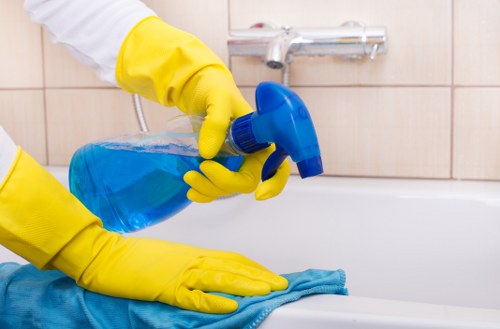
Chemical safety is a major part of this policy. Cleaning products must be stored securely, labelled clearly, and used according to manufacturer instructions. Products should never be mixed unless this is specifically allowed. When using sprays, disinfectants, or stronger agents, adequate ventilation should be maintained. Cleaners should wash hands after handling chemicals, avoid direct contact with skin and eyes, and use gloves where appropriate. If a spill occurs, it should be contained and cleaned promptly using the correct method.
 Manual handling also requires careful attention. Lifting bins, moving furniture, carrying supplies, and reaching awkward areas can create injury risks if done incorrectly. Cleaner Catford staff should use good posture, bend the knees where needed, and avoid twisting while lifting. Heavy items should be moved with assistance or by using suitable aids. Work should be planned so that repetitive strain is reduced, and short breaks should be taken where necessary to maintain safe performance.
Slip and trip prevention is another important focus. Floors should be kept as dry as possible during and after cleaning, with warning signs used when surfaces may be slippery. Cables, tools, bags, and other objects should not be left in walkways. If a hazard is noticed, it should be removed or clearly marked immediately. Care should also be taken when working on stairs, in cluttered areas, or in spaces with low lighting, as these conditions can increase the chance of an accident.
Fire safety must also be respected at all times. Cleaners should not block exits, tamper with alarms, or place equipment near heat sources. Waste materials, paper dust, and chemical containers should be managed responsibly to reduce fire risk. If an emergency alarm sounds, work must stop and the cleaner should follow the site’s evacuation arrangements. Emergency procedures should be understood before work starts, including what to do in case of fire, injury, chemical exposure, or another urgent incident.
In situations where a property contains vulnerable persons, hazardous waste, sharps, or unusual contamination, additional precautions may be needed. The cleaner should not proceed unless the correct controls are in place. This may include safer access arrangements, specialist equipment, or support from another trained person. The policy supports a cautious approach: if in doubt, the safest option is to stop and seek clarification before continuing. This helps maintain a professional standard and protects everyone involved.
The responsibility for safety is shared. Cleaners must work responsibly, follow training, and avoid taking shortcuts. Supervisors or organisers should provide appropriate information about the site, including known risks and any restrictions that affect cleaning work. Clients should ensure that cleaners can work in a reasonably clear and safe environment. Where changes are made to the premises, the relevant safety information should be updated so the cleaner can adjust their working method accordingly.
Reporting and recording are important parts of this policy. Any accident, near miss, broken equipment, or unsafe condition should be reported as soon as possible. This allows action to be taken quickly and helps prevent similar issues from happening again. Regular checks and reviews should be carried out to keep the policy effective. If work patterns change, or if a new type of cleaning task is introduced, the risk assessment should be updated and communicated clearly.
 A strong safety culture depends on consistency, awareness, and responsibility. Cleaner Catford services should be delivered in a way that protects health without reducing efficiency. Safe cleaning is not only about compliance; it also supports trust, reliability, and professional standards. By following this policy, cleaners can carry out their work with greater confidence while keeping risks under control.
 In summary, this Cleaner Catford health and safety policy promotes safe working practices across every stage of cleaning. It covers chemicals, equipment, lifting, emergency response, and hazard reporting, while encouraging a careful and practical approach. When these principles are followed, cleaning work can be completed effectively and with a high level of protection for everyone concerned.