Rushey Green upholstery cleaning for vintage sofas
If you own a vintage sofa in Rushey Green, you already know it is not just another piece of furniture. It might be the armchair that survived a move across London, the velvet settee that has seen family life up close, or the snug two-seater you promised yourself you'd restore "one day". That day usually arrives when the fabric looks tired, the colours feel muted, and you start wondering whether a proper clean could bring it back without damaging the character that makes it special. This guide to Rushey Green upholstery cleaning for vintage sofas is here to help you make the right call, avoid common mistakes, and understand what safe, effective cleaning should look like.
Vintage upholstery needs a gentler approach than modern mass-produced furniture. The fabric, stuffing, springs, trims, and dyes can all react differently to moisture and cleaning products. A good clean can freshen the sofa, improve comfort, and protect its lifespan. A poor one can leave rings, shrinkage, colour loss, or a lingering musty smell. So, let's make it practical. Below you'll find how the process works, what to watch out for, and how to judge whether a sofa is a good candidate for professional treatment.
Why Rushey Green upholstery cleaning for vintage sofas Matters
Vintage sofas are often made with materials that were designed to last, but not necessarily to be blasted with modern cleaning methods. Natural fibres such as wool, cotton, linen, silk blends, hessian, horsehair padding, and older webbing can all respond unpredictably to heat, agitation, and strong detergents. That is the main reason specialised upholstery care matters. You are not only cleaning a surface; you are preserving an item with age, structure, and often sentimental value.
In Rushey Green, where homes range from compact flats to long-established family houses, vintage seating often ends up becoming the centrepiece of a room. It also tends to collect everyday grime in the places you do not immediately notice: the inside of the arms, the front edge of the seat, the piping, the back cushions, and the lower dust line near the floor. Over time, the sofa can look flat and dull even when it is still perfectly usable. A careful professional clean restores a more balanced appearance without stripping away the piece's old-world charm.
There is also a hygiene angle. Dust, pollen, skin oils, accidental spills, pet dander, and cooking residue can settle into upholstery fibres. If the sofa has been in storage, inherited, or sat unused for a while, there may be a stale smell that simply airing the room will not solve. That smell is usually not the fabric "being old"; it is usually contamination trapped in the fabric layers.
Expert summary: the goal with vintage sofas is not maximum moisture or maximum chemicals. The goal is controlled cleaning, careful testing, and a method matched to the fabric. That sounds obvious, but in practice it is where most mistakes happen.
How Rushey Green upholstery cleaning for vintage sofas Works
Professional upholstery cleaning is usually a process of inspection, testing, treatment, and drying. With vintage pieces, the inspection stage matters more than people expect. A cleaner needs to identify the fabric type, note any weak seams, check for previous repairs, and look for signs of colour bleed or fragile trim. If the sofa has no care label, that does not automatically mean it cannot be cleaned. It just means the assessment needs to be more cautious.
The cleaning method itself depends on the sofa. Some vintage upholstery can tolerate very light moisture extraction. Others are safer with low-moisture dry cleaning methods, delicate foam cleaning, or targeted stain treatment with minimal agitation. Heavy steam is not a default answer here. Truth be told, steam is often overused by people who mean well.
At a practical level, the workflow often includes:
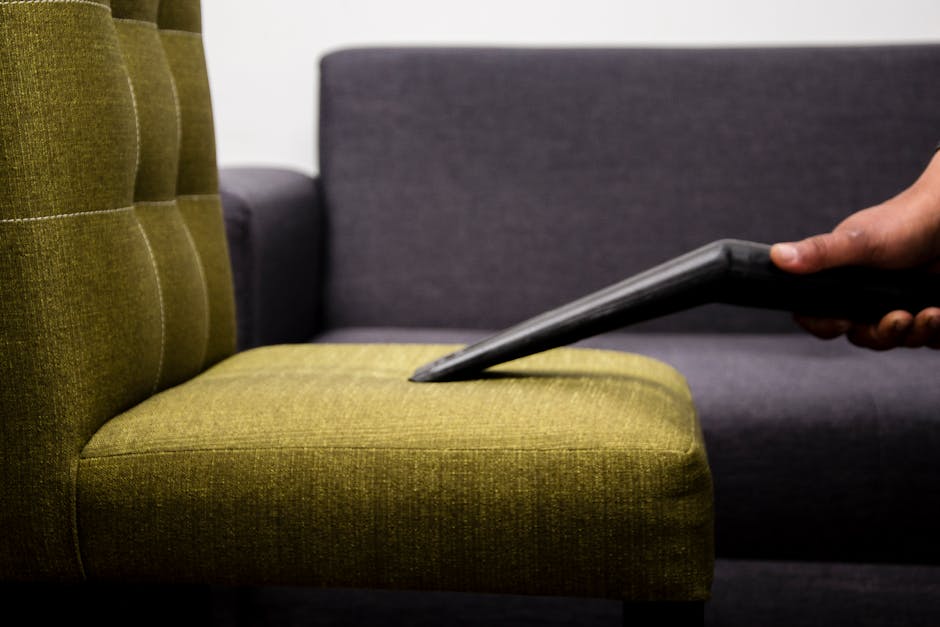
- dry vacuuming to remove loose dust and grit;
- spot testing a hidden area for colour stability;
- pre-treatment of stains or high-traffic patches;
- gentle agitation where appropriate;
- careful extraction or controlled removal of residue;
- slow drying with good airflow.
The drying stage is easy to underestimate. Vintage sofas can hold moisture deep in the cushions and webbing, especially if they have thick padding. If drying is rushed, the result may be a lingering damp smell or, in worst cases, fibre damage and mildew. That is why a proper clean is as much about what happens after washing as what happens during it.
If you want to understand the broader service category behind this work, the dedicated upholstery cleaning and sofa cleaning pages are useful references for how general furniture care is approached. For vintage pieces, the same principles apply with extra caution.
Key Benefits and Practical Advantages
The most obvious benefit is a cleaner-looking sofa. But with vintage furniture, the real gains go a bit further than appearances. A well-executed clean can improve the feel of the fabric, reduce embedded odours, and help a cherished piece survive longer in everyday use. That matters if the sofa has both aesthetic and practical value.
Here are the benefits people usually notice first:
- Brighter colour and improved texture: once dust and film are removed, older fabrics often look less grey and tired.
- Less odour: stale smells from pets, smoke, storage, or everyday living are often reduced significantly.
- Better comfort: clean fibres feel fresher, and dry vacuuming can lift flattened pile on some fabrics.
- Longer usable life: removing abrasive dust helps reduce wear on delicate upholstery.
- Better room presentation: a vintage sofa can once again look like a deliberate design choice, not a second-hand compromise.
There is a quieter advantage too: confidence. If you have been avoiding guests because the sofa looks a bit marked, or if you have been covering it with throws and cushions to hide the damage, a good clean changes the mood of the room. You start using the furniture again instead of tiptoeing around it. Small thing, but it matters.
For homes that also need broader fabric care, pairing upholstery work with curtain cleaning or rug cleaning can create a more consistent result across the room. That is especially helpful in older properties where dust tends to settle everywhere, quietly and relentlessly.
Who This Is For and When It Makes Sense
This service makes sense for anyone with a vintage or vintage-style sofa that is still structurally sound but visually dulled or lightly soiled. That might mean a mid-century piece from a relative, an antique frame reupholstered years ago, or a decorative sofa bought to add character to a living space.
You will usually want to consider professional cleaning if:
- the sofa is made of delicate or mixed fibres;
- you can see water marks, food marks, or general dulling;
- there is a stale, musty, or pet-related smell;
- the piece is too valuable to risk with a DIY attempt;
- you are preparing a room for sale, letting, or a family event;
- you have already tried surface cleaning and the marks are still there.
It may also be the right time if the sofa is not exactly dirty, but you simply want to protect it before the grime builds up. That is the part many people miss. Cleaning is not always a rescue mission. Sometimes it is maintenance, and maintenance is easier on vintage fabric than an emergency deep clean after months of neglect.
On the other hand, there are sofas where cleaning may need to wait, or at least be approached very carefully. Severe fabric wear, loose seams, broken springs, historic dyes that bleed, or areas already weakened by sun damage all increase risk. If the sofa is fragile enough that you would hesitate to sit on one arm, it deserves a very cautious assessment first.
Step-by-Step Guidance
If you are comparing providers or thinking about what should happen during a proper visit, this step-by-step outline will help. It is a good way to judge whether the service feels considered or rushed.
- Initial assessment: check the fabric type, the condition of the frame, and the extent of staining or discolouration.
- Discussion of risks: a careful cleaner should explain what can be cleaned safely and what may remain visible after treatment.
- Dry soil removal: vacuuming and edge cleaning remove grit that can scratch or abrade fibres.
- Spot testing: cleaning products are tested in a discreet area before the main treatment begins.
- Targeted stain treatment: marks are treated one by one, not attacked with a one-size-fits-all product.
- Main clean: a suitable low-moisture or controlled moisture method is used.
- Rinse or residue removal: any leftover solution is reduced as much as possible so it does not attract new dirt.
- Drying advice: ventilation, airflow, and safe drying times are explained clearly.
- Aftercare guidance: the cleaner should tell you when it is safe to use the sofa again and how to maintain it.
One small but important point: if the cleaner skips the test patch, that is a red flag. The test patch may feel tedious, but it is the boring little step that saves the sofa from a very expensive mistake. Nobody wants to discover dye transfer after the whole thing is already wet.
For households that like to keep on top of everything in one go, a wider deep cleaning approach can make sense, especially when the sofa is part of a larger refresh rather than a standalone job.
Expert Tips for Better Results
Here is where experience really pays off. Vintage upholstery rewards patience. It does not reward heroics.
- Always test first: even if the fabric seems robust, the dye or backing may not be.
- Vacuum slowly: fast vacuuming misses grit trapped in seams and tufting.
- Blot, do not rub: rubbing pushes stains deeper and can distort pile.
- Use gentle airflow for drying: open windows help, but a fan used carefully is usually better than heat.
- Treat spills early: fresh marks are easier to manage than set-in stains.
- Watch the arms and front rail: these are usually the dirtiest zones because hands, sleeves, and legs touch them constantly.
It also helps to think in layers. Vintage sofas often have more than one layer of vulnerability: the top fabric, the backing, the stuffing, the springs, and sometimes decorative trim. Cleaning only the visible layer and ignoring what sits underneath can leave the job half done. You may get a cleaner look for a few days, then the smell or shadowing returns. Annoying, but common.
If there are pet-related accidents involved, a service with specific pet stain and odour removal capability can be worth asking about. That is especially true where urine or repeated pet resting has affected a cushion or arm.
And a small human note from the day-to-day side of this work: some of the best results come from slowing down enough to notice the sofa's story. A polished brass stud here, a repaired seam there, the slight fade on the left arm from years by the window. You clean around the history; you do not erase it.
Common Mistakes to Avoid
Most damage to vintage sofas happens because someone tries to treat them like modern upholstery. That is the core problem.
- Using too much water: oversaturation can lead to shrinkage, rings, and long drying times.
- Applying strong chemicals: aggressive stain removers can strip colour or weaken fibres.
- Scrubbing hard: this roughs up delicate weaves and can leave a lighter patch.
- Ignoring hidden areas: dust and residue in seams can keep the sofa looking dull.
- Skipping drying time: using the sofa too early may set in damp smells or create fresh marks from body oils.
- Assuming all "stains" are removable: some marks are permanent discolouration, wear, or sun fade rather than surface dirt.
There is also a trust mistake: assuming every provider treats vintage furniture with the same care. They do not. Some are excellent with delicate fabrics; some are much better suited to durable family sofas. So ask direct questions. What method will they use? Do they test first? What happens if the fabric reacts? Straight answers matter more than slick sales language.
Practical truth: if someone promises to make an antique sofa look brand new, that is usually the moment to step back and ask a few more questions.
Tools, Resources and Recommendations
You do not need a room full of equipment to care for a vintage sofa, but a few sensible tools help a lot. For home maintenance between professional visits, these are the basics worth having:
- a soft brush attachment for vacuuming;
- a lint-free white cloth for blotting spills;
- plain towels for absorbing moisture during drying;
- a fan for gentle airflow;
- a small notebook or phone note to record any stains, repairs, or fabric concerns before cleaning.
If you are comparing services, it can be helpful to look at the provider's broader standards too. For example, pages such as about us, insurance and safety, and health and safety policy can reassure you that the business takes care, risk management, and accountability seriously. That does not clean the sofa by itself, of course, but it does tell you something about the people coming into your home.
If you want to understand pricing before booking, the pricing and quotes page is the right place to start. It is always sensible to ask how quotes are built, especially for vintage sofas where fabric type and condition can change the amount of work involved.
Law, Compliance, Standards, or Best Practice
For upholstery cleaning in the UK, the most relevant guidance is usually about safe working practice rather than complicated legal thresholds. A responsible cleaner should use suitable products, handle equipment safely, and protect both the fabric and the property. They should also be clear about limitations, especially when delicate materials or prior damage are involved.
From a customer perspective, the main best-practice points are straightforward:
- make sure the cleaner explains the method in plain English;
- check that they understand the difference between durable modern upholstery and fragile vintage materials;
- ask how they handle colour testing and drying;
- confirm they have suitable insurance and a clear complaints process if something goes wrong;
- read the terms and conditions so expectations are shared before work begins.
If you are the kind of person who likes the paperwork side to be tidy, that is fair enough. It avoids awkwardness later. You can also look at terms and conditions, complaints procedure, and privacy policy for a fuller picture of how the business handles service, complaints, and customer information.
Some people also appreciate the sustainability angle. Cleaning and caring for an older sofa is often a better choice than replacing it early, and responsible fabric care can support a more circular way of living. If that matters to you, the recycling and sustainability page is worth a look.
Options, Methods, or Comparison Table
Choosing the right method is the heart of vintage sofa care. The table below gives a simple comparison of the most common approaches.
| Method | Best for | Advantages | Risks or limits |
|---|---|---|---|
| Low-moisture upholstery cleaning | Many vintage fabrics in stable condition | Controlled, less saturation, often safer for older pieces | May not remove deep odours or heavy staining completely |
| Dry cleaning foam or compound | Delicate textiles and sensitive dyes | Minimal water, useful where shrinkage risk is high | Not ideal for all stain types; residue must be handled carefully |
| Light extraction with testing | Sturdier vintage upholstery with confirmed colour stability | Good at lifting embedded soil and some marks | Too much moisture can damage weak fabric or old stitching |
| DIY spot cleaning | Very minor fresh marks only | Cheap and immediate | Easy to over-wet, scrub, or worsen staining |
For many vintage sofas, the safest route is not the most dramatic one. A measured low-moisture process, combined with targeted stain work, usually gives the best balance of cleaning power and fabric protection. It is a bit less glamorous than "deep steam magic", but then furniture does not care about glamour. It cares about chemistry, moisture, and patience.
Case Study or Real-World Example
Picture a Rushey Green living room with a mid-century three-seater that had been inherited and used lightly for years. The frame was sound, the fabric was original, but the arms had darkened, the seat cushions had a faint food smell, and one side near the window had faded slightly from daylight. The owner had tried a supermarket upholstery spray once. It helped one patch and made another patch feel sticky. Not ideal.
On inspection, the sofa was found to have a stable fabric but sensitive dye in one section and dry, dusty seams throughout. A careful cleaner began with vacuuming, a patch test behind a cushion, then used a gentle treatment on the seat and arms only. The marks did not vanish completely; that would have been unrealistic. But the sofa looked brighter, smelled fresher, and felt usable again without losing its vintage character. The owner kept the original cushions, stopped hiding the sofa under throws, and, very sensibly, asked for aftercare advice before attempting any future spot cleaning.
That is the kind of result worth aiming for. Not "perfect". Better. Safer. Longer-lasting. Honestly, that is enough most of the time.
Practical Checklist
Use this quick checklist before booking or attempting cleaning yourself:
- Identify whether the sofa is genuinely vintage, antique, or simply vintage-style.
- Check for care labels, fabric tags, or old repair notes.
- Look for loose stitching, tears, weak piping, or threadbare spots.
- Note any stains, smells, sun fade, or water marks.
- Vacuum the sofa gently before any wet treatment.
- Ask what cleaning method will be used and why.
- Confirm that a test patch will be done first.
- Ask how long drying should take and how to improve airflow.
- Read the service terms and safety information.
- Keep pets, children, and heavy use away until the sofa is fully dry.
A final little reminder: if the sofa is a keepsake, the decision should not be rushed. Take ten minutes, do the checks, and ask the awkward question if you need to. That is cheaper than replacing a damaged fabric later.
Conclusion
Rushey Green upholstery cleaning for vintage sofas is really about balance. You want a cleaner, fresher sofa, but you also want the thing itself to survive the process intact. That means careful assessment, the right method, and a realistic view of what cleaning can and cannot do. Vintage furniture rarely benefits from force. It benefits from attention.
If you are deciding whether to book a professional clean, think first about the fabric, the age, the type of staining, and the level of risk you are comfortable with. When a sofa has character, history, and decent structure, cleaning can be a very worthwhile investment. It can quietly transform a room, and sometimes that is all the room needed.
Get a free quote today and see how much you can save.
Frequently Asked Questions
Can vintage sofas be safely cleaned?
Yes, many can be cleaned safely, but only when the fabric, dyes, and construction are assessed first. Delicate or unstable pieces need a gentler approach than modern upholstery.
What is the best cleaning method for a vintage sofa?
There is no single best method for every sofa. Low-moisture cleaning, foam cleaning, or carefully controlled extraction may be suitable depending on the fabric and condition.
Will cleaning remove every stain?
Not always. Some marks are permanent, and some are actually wear, fading, or dye change rather than surface dirt. A good cleaner should explain what is likely to improve and what may remain.
How long does a vintage sofa take to dry?
Drying time varies with fabric, cushion thickness, room temperature, and airflow. A cautious service will explain expected drying time and how to speed it up safely.
Is steam cleaning safe for antique furniture?
Not by default. Steam can be too aggressive for some vintage fabrics, old adhesives, and delicate stitching. It should only be used where the sofa is suitable for it.
Can I clean a vintage sofa myself?
You can handle very light maintenance, such as vacuuming and blotting fresh spills, but DIY wet cleaning is risky on older upholstery. Small mistakes can become permanent damage.
What should I do before a cleaner arrives?
Clear the area, remove loose cushions if appropriate, note problem spots, and make sure the cleaner can access the sofa easily. A quick photo of existing damage is also useful.
Why does my vintage sofa still smell after surface cleaning?
Odours often sit deeper in the fabric layers, stuffing, or frame. Surface wipes may not reach the source. That is why controlled professional treatment is often more effective.
How often should vintage upholstery be cleaned?
It depends on use, pets, smoke exposure, and room conditions. Light maintenance is sensible throughout the year, while deeper cleaning is usually needed only when the sofa shows visible soil or odour.
What if the sofa has no care label?
That is common with older furniture. A missing label does not rule out cleaning, but it does make testing and fabric identification more important.
Can professional cleaning restore faded fabric?
No, not really. Cleaning can improve the appearance of dirt and dullness, but it will not restore colour lost to sunlight or age. It can, however, help the sofa look fresher overall.
Is it worth cleaning an old sofa instead of replacing it?
Often yes, especially if the frame is solid and the sofa has style or sentimental value. Cleaning can be a very sensible middle ground between living with grime and buying new too soon.
If you are weighing up the next step, take your time and ask good questions. Vintage furniture tends to reward the careful decision, not the rushed one, and that is part of its charm.